
The Painful Legacy of Colorism
The damaging impact that colorism has on mental health. And experts pooh-pooh the claims of TikTok influencers about so-called “cortisol face.”

Wednesday, August 14, 2024
By Courtney Wise

Greetings, MindSite News Readers. In today’s Daily: The damaging impact of colorism on mental health. Experts pooh-pooh claims by TikTok influencers about so-called “cortisol face.” And the ACLU says conditions in the mental health unit of the Baltimore jail are “the harshest and most deprived” they’ve encountered.
Plus, a human rights organizer makes the case for repairing ruptured relationships and a Philadelphia provider of mental health services is being stripped of its city contract due to financial reporting problems.
Colorism’s pernicious impact on mental health
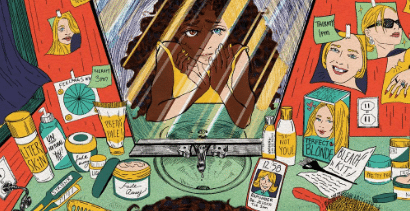
When Jonnae Thompson was 10 years old, she drank a cup of bleach to lighten her complexion. It only made her more sick. Colorism had obliterated her self-esteem; now bleach riddled her with nausea. She just wanted to stop the othering and discrimination she felt, Thompson told KFF Health News. “It was big, like, your skin is dark and that’s a problem.” Now 37 and an actress, singer, and stand-up comedian in Los Angeles, she still carries remnants of anxiety about her skin color. “It’s like this negative connotation,” she said, noting that most audition opportunities presented to her are to play bullies or drug dealers.
Our health care systems need to acknowledge the impact of colorism, said Regina James, a child and adolescent psychiatrist who heads the American Psychiatric Association’s Division of Diversity and Health Equity. “Skin color discrimination is so insidious it can literally get under your skin,” she said. “And consciously or subconsciously, it can contribute to low self-esteem and self-confidence, and even be detrimental to one’s mental health.”
Counseling experts said it’s overlooked because not enough licensed mental health professionals have cultural or experiential awareness of the issue. More than 70% of all psychiatrists are white and just 5% are Black, according to data published in 2022 by the Association of American Medical Colleges. James wants to see more racial and ethnic diversity amongst mental health professionals, and more clinical approaches that incorporate cultural competencies across disciplines. Cultural awareness and sensitivity encourage trust, she said, enabling providers to get all the information that they need from patients to appropriately diagnose and treat their issues.
No, you don’t have ‘cortisol face’
There’s this idea – yes, another one! – coursing through TikTok that suggests a rounded, puffy face is attributed to high levels of cortisol, well-known as the ‘stress hormone.’ Beauty influencers are sharing before and after photos of new, lean jawlines replacing fleshy, zaftig faces. The difference, they say, is that they’ve lowered their cortisol – and you could, too,some claim, if you use the right products and regimens. But our bodies just don’t work like that, experts told the New York Times, despite those before and after photos flashing right before your eyes.
“I think the ‘cortisol face’ trend is trying to explain a perceived cosmetic issue, like a round face, and trying to medicalize it, in order to be able to take control of fixing it,” Cristina Psomadakis, a dermatologist based in London told the Times. Truth is, she added, the changes that social media influencers attribute to drinking special teas or following specific routines to fix their unruly hormones are actually about weight loss or weight gain, or even the fat pads of the face naturally shifting with age.
Medically high levels of cortisol are distinct from the rises in cortisol we experience day-to-day, even when times are demanding or hard. Cushing’s disease, a serious health condition, is characterized by a severe overproduction of cortisol and does lead to a round and swollen face, but the run-of-the-mill ‘unhealthy lifestyle’ most of us lead doesn’t cause it. “I suspect most people who have a round face don’t have Cushing’s syndrome,” endocrinologist Roberto Salvatori said.
In Baltimore’s jail, people held in mental health unit forced to live in dehumanizing conditions, ACLU says
Inmates confined to the mental health unit at the Baltimore Central Booking and Intake Center in Baltimore face “extremely harsh” living conditions in an aging facility, said attorneys for the ACLU’s National Prison Project in a filing to a decades-old lawsuit that was settled in 2016, but recently reopened. Detainees assigned to the unit are there awaiting transfer to state-run psychiatric hospitals for evaluation or treatment before trial. Many people are not able to bathe more than twice a week while others are not even allowed to be clothed, lawyers told the Baltimore Banner.
The people held in the mental health unit are living under the “harshest and most deprived conditions we have ever encountered in any prison or jail in the United States, including in death row and ‘supermax’ units,” ACLU attorneys wrote in a letter to the court in late 2022.
Hand-written logs maintained by custody officers detail inmates’ out-of-cell time and mental health treatment and present a grim picture of their experience – but often disagree with computer-generated logs kept by Centurion Health, the jail’s mental health provider. In some cases, the ACLU says, a handwritten log might say a detainee was allowed 50 minutes outside of their cell, while Centurion recorded it as two hours. In other cases, Centurion’s record might say an inmate refused to leave their cell for mental health treatment while a handwritten log would indicate that they weren’t allowed to leave due to behavioral issues, said Corene Kendrick, an ACLU attorney.
Attorneys on both sides are preparing for an August 20 hearing to discuss the condition, but the state, represented by private attorneys, contends that it has, in fact, made required improvements and that, in any case, the settlement agreement expired on July 1, and thus the whol matter should be dismissed.
In other news…
In relationships, there will be rupture, writes organizer Briana Herman-Brand in Yes! magazine. There is also, she declares, perpetual hope of repair. The concept feels slimy; it challenges the binary “bad or good,” “right or wrong,” format of our American justice system. In community though, repair is always possible. That doesn’t mean we are restored to the before times – we might not even survive “whole,” as the incomparable Toni Morrison asserts in this clip. But intentionally making an effort to heal with one another, to be good to one another – again and again and again – isn’t just the point, it’s what makes life interesting. And we can do it, Harman-Brand writes: “The human capacity for repair is vast and stunning – when we are given the support to move toward it.”
One of Philadelphia’s largest providers of mental health, substance use and mobile crisis services has had its $3.8 million contract terminated by the city because it submitted fradulent financial audits, according to reporting from Axios and the Philadelphia Inquirer. The West Philadelphia Community Mental Health Consortium has served the region for five decades and says 12,000 people use its services, but the financial discrepancy “poses a risk to the City’s operations and more importantly to vulnerable residents receiving mental health services,” City Solicitor Renee Garcia told the Inquirer. Consortium officials are urging Mayor Cherelle L. Parker to reverse course and blame the erroneous financial reports on a former employee. The agency has since sacked the employee, submitted proper audits and gotten its tax-exempt status renewed. “We identified a problem, we fixed the problem,” said John White, Jr., the Consortium’s president and CEO. As the primary provider of mobile crisis services to West Philly, White added, “My hope is that the city will see what they will be losing.”
Navigating pet loss: Earlier this summer, MindSite News published an essay from Paige Bierma about ways to cope with the loss of a pet. Folks interested in a deeper dive on navigating grief from the death of an animal friend may consider a new book, Healing Wisdom for Pet Loss: An Animal Lover’s Guide to Grief from licensed mental health counselor Anne Marie Farage-Smith. It offers details on the range of emotions experienced with such loss and provides a variety of open-ended writing exercises that Farage-Smith said she’s seen work.
If you or someone you know is in crisis or experiencing suicidal thoughts, call or text 988 to reach the 988 Suicide & Crisis Lifeline and connect in English or Spanish. If you’re a veteran press 1. If you’re deaf or hard of hearing dial 711, then 988. Services are free and available 24/7.
Recent MindSite News Stories
If Mental Health Responders – Not Police – Had Come to Marquis Rivera’s Home, Would He Be Alive Today?
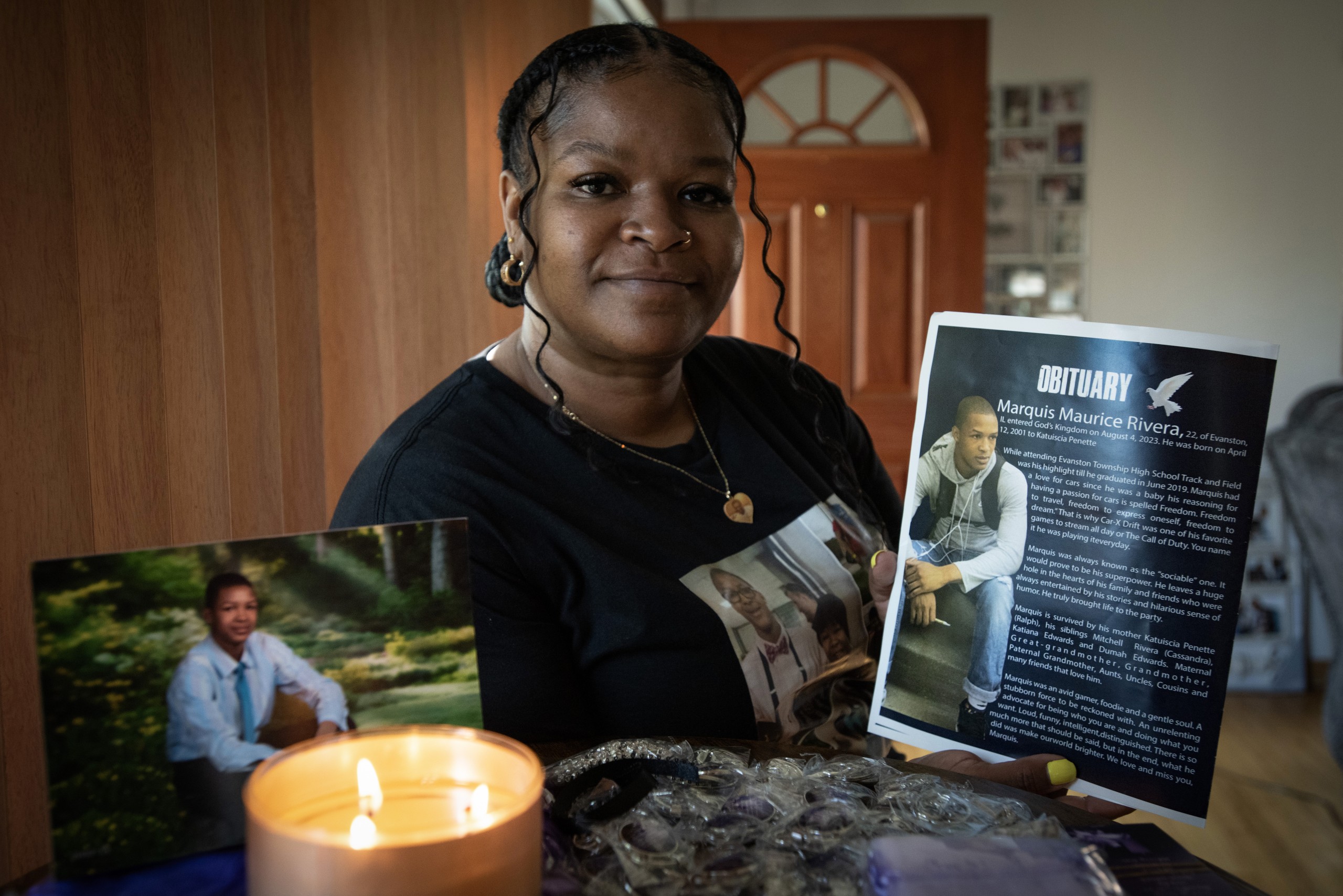
One year ago, a 22-year-old man who was feeling lost and suicidal in the aftermath of a break-up was killed by police. His father, a crisis mental health worker, still wonders: What would have happened had someone else come to the scene?
Sending Unarmed Responders Instead of Police: What We’ve Learned
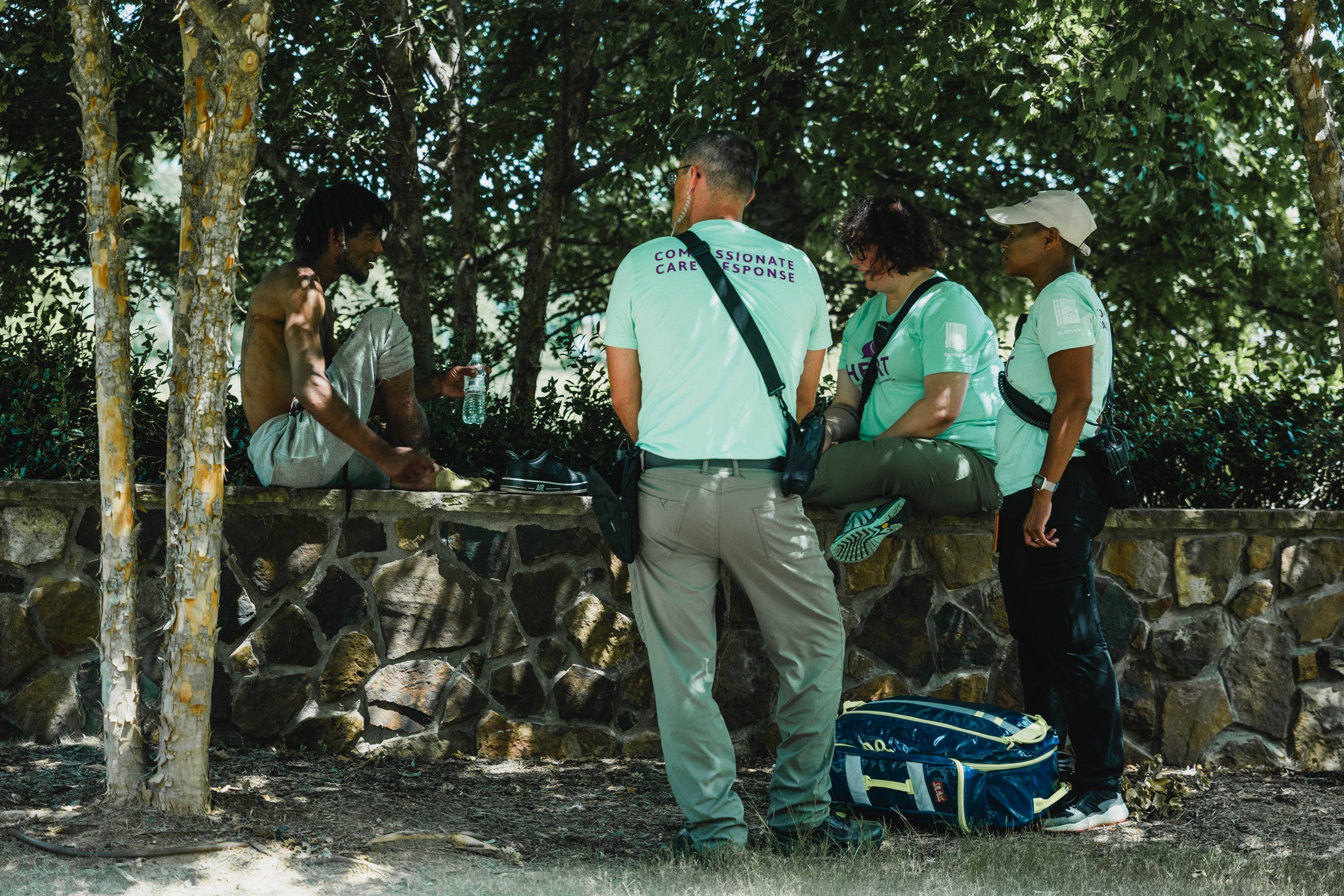
In the four years since George Floyd’s murder, many sweeping attempts to reform policing have faltered. But one proposal that has taken hold across the country, and continues to spread, is launching alternative first response units that send unarmed civilians instead of police.
Meet the New Generation of Unarmed Responders in this New Podcast Series
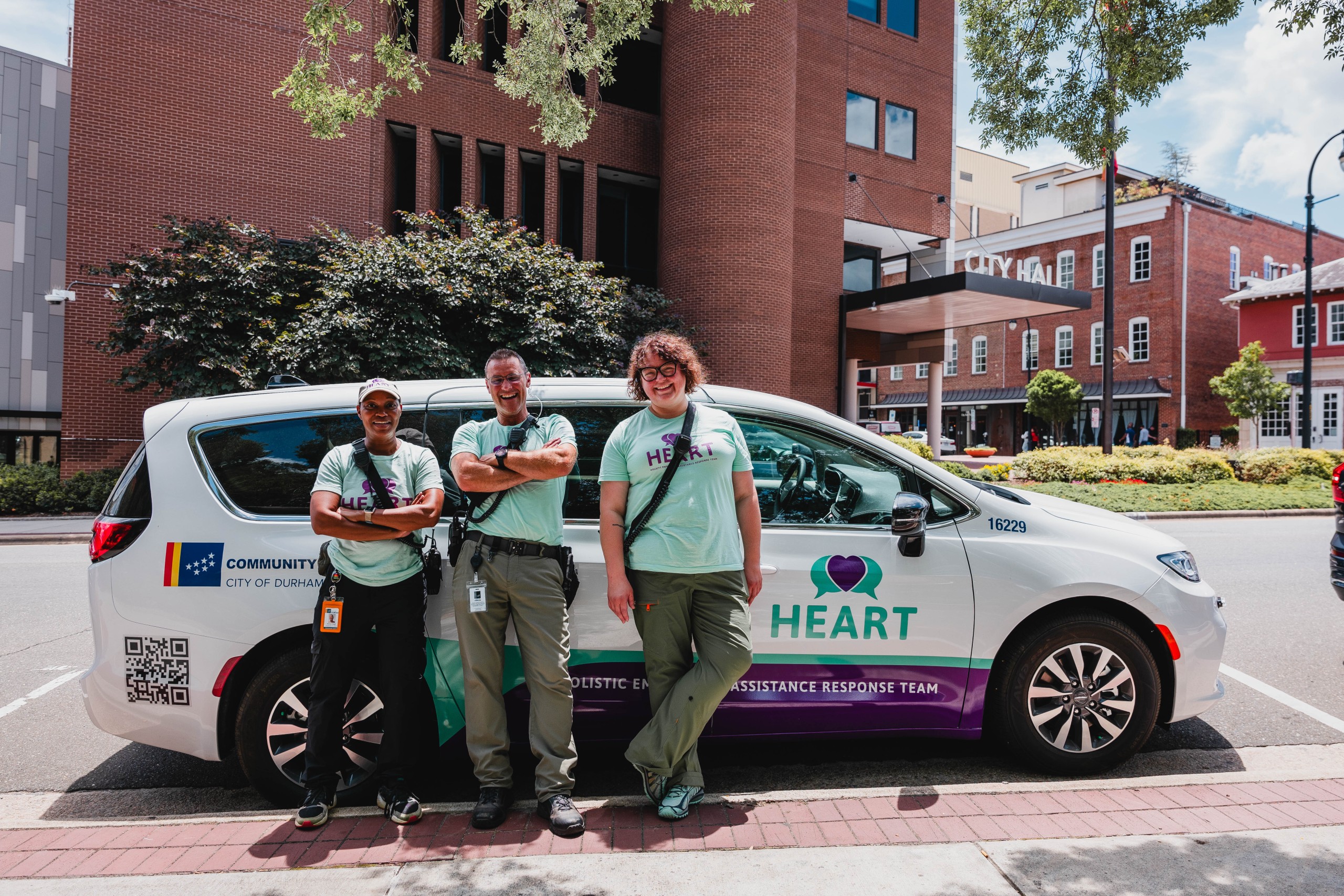
This three-part podcast looks at efforts across the country to deploy first response units that use unarmed civilians, instead of armed officers, to mental health emergencies.
If you’re not subscribed to MindSite News Daily, click here to sign up.
Support our mission to report on the workings and failings of the
mental health system in America and create a sense of national urgency to transform it.
For more frequent updates, follow us on Facebook, Twitter and Instagram:

The name “MindSite News” is used with the express permission of Mindsight Institute, an educational organization offering online learning and in-person workshops in the field of mental health and wellbeing. MindSite News and Mindsight Institute are separate, unaffiliated entities that are aligned in making science accessible and promoting mental health globally.
Copyright © 2021 MindSite News, All rights reserved.
You are receiving this email because you signed up at our website. Thank you for reading MindSite News.
mindsitenews.org

The name “MindSite News” is used with the express permission of Mindsight Institute, an educational organization offering online learning and in-person workshops in the field of mental health and wellbeing. MindSite News and Mindsight Institute are separate, unaffiliated entities that are aligned in making science accessible and promoting mental health globally.


Author

Related Articles

The Lindsey Clancy Murder Trial
Women nationwide watch the Lindsay Clancy trial and see themselves in her story, plus an investigation into hospitals that fail patients with addiction.
Grief and Rehabilitation in a California Prison
This month: a DUI offender’s path to rehabilitation, Lindsay Clancy revisited, Illinois prison protests, a fatal cell fire, and Missouri’s competency crisis.

Meta Pays $17 Billion Settlement for Lawsuit Over Child Harm
Meta will pay up to $17.1 billion and reshape how its platforms operate after 47 states argued that they are harmful and also addictive to children by design.