
Chatbot Safety: When Machines Supplant Therapists, What Can go Wrong?
This may be the year when more people turn to chatbots than to human therapists for psychological support and guidance.


This may be the year when more people turn to chatbots than to human therapists for psychological support and guidance.

Therapy, the author notes, "isn’t about telling you what you want to hear; it’s about helping you face what you need to hear." Using ChatGPT for therapy, however, is "both engaging and manipulative."

Two new reports reveals some unexpected developments in the ketamine story. And a new report shines a light into the lived experience of psychosis.
A new study suggests that recovery from psychosis is more possible than many people think. Another shows that peers might be the best suicide- prevention messengers. And a third shows the role of REM sleep in firming up memories.

A new study suggests that the impact of Covid on the brain may extend beyond our sense of smell. And we examine two studies that examine the impact of race on mental health and services.

Scientists discover the long-sought neural messenger for the pleasurable sensations from cuddles and caresses. Provocative research shows that women are four times more likely to die by suicide if there are firearms in the home. And new research on eating disorders among LGBT adults.

New research explores the impact that young peer support specialists can have in working with people struggling with addiction and mental illness. We also look at a commentary from a leading mental health researcher who suggests that recent reported declines in suicide rates may be statistical blips. And then we ask that time-honored question: Is technology – in this case, video games – part of the problem or part of the solution?

Firearms – not car crashes – are now the leading cause of death in children. Race may influence people's treatment for depression. And more precise understanding of the value of exercise as an antidepressant.
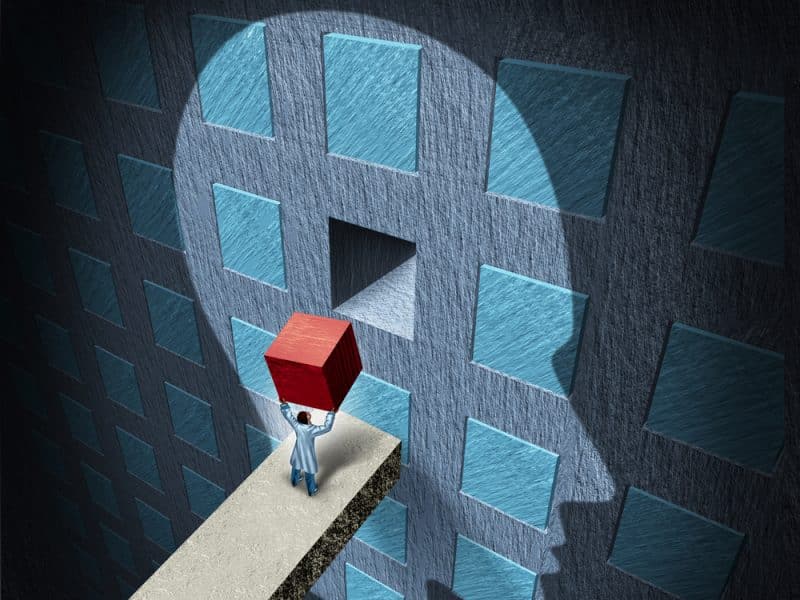
New evidence supports treating cognitive symptoms in psychosis with psychological interventions.

Good news: A new report documents the power of lay therapists in treating depression. Plus: Sleep can be a powerful intervention in post-partum depression.
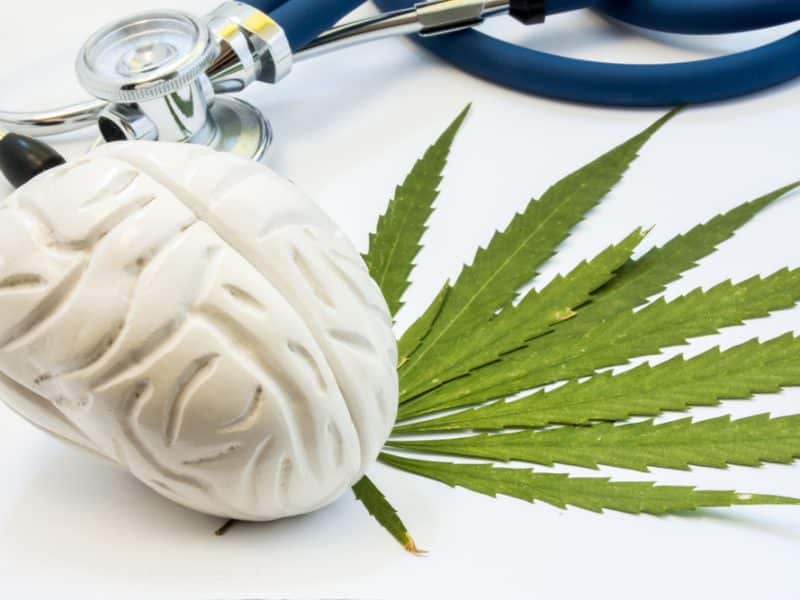
New research shows that chronic cannabis use reduces IQ and hippocampal volume. Spending time in a juvenile detention facility may increase the odds of criminal justice involvement as an adult.

A new paper investigates the accuracy and uptake of TikTok videos about ADHD. Spoiler alert: accuracy is low, uptake is, well, viral. We also look at AI-based linguistic tools to measure thought disorder and – who knew? – the relationship of birth spacing to oppositional defiant disorder (ODD).
A new paper investigates the accuracy and uptake of TikTok videos about ADHD. Spoiler alert: accuracy is low, uptake is, well, viral. We also look at AI-based linguistic tools to measure thought disorder and – who knew? – the relationship of birth spacing to oppositional defiant disorder (ODD).
A new look at the extent of mental illness and use of mental health services in children. LGBTQ adults have high rates of adverse childhood experiences. News findings from studies of early psychosis are cautionary in some cases and encouraging in others.
A new look at the extent of mental illness and use of mental health services in children. LGBTQ adults have high rates of adverse childhood experiences. News findings from studies of early psychosis are cautionary in some cases and encouraging in others.

New research demonstrates how high temperatures can negatively impact mental health and increase emergency room visits.
ED visits rise as temperatures soar. The challenges of getting timely help for young people. And sobering data on alcohol treatment rates.

As with the fight for civil rights or climate change, it’s going to take a movement, with families at the core of that effort. We need to reframe this crisis as more than a medical challenge: It is an issue of social justice.
Covid-19's long-term mental health effects, a surprising finding about suicide prevention and the impact of Housing First.
Covid-19's long-term mental health effects, a surprising finding about suicide prevention and the impact of Housing First.

Today, we look at the impact of support: the value of family support for people with schizophrenia and the distressing impact of a lack of support in a growing number of white Americans. Plus opiates in teens, and how walking may correlate with cognition.

Today, we look at the impact of support: the value of family support for people with schizophrenia and the distressing impact of a lack of support in a growing number of white Americans. Plus opiates in teens, and how walking may correlate with cognition.

Who wants psilocybin without hallucinations? Laboratory research suggests that may be on its way. Plus: New research on driving under the influence (of weed).
In today's edition, we bring you research about marijuana, psychedelics and Amsterdam – and those are each different studies. Plus a study from the Netherlands explores what happens to teenagers getting mental health treatment when co-pays increase for their families.
Take our reader survey and help shape MindSite News reporting

