
Is the ketamine story changing?
Two new reports reveals some unexpected developments in the ketamine story. And a new report shines a light into the lived experience of psychosis.

Two new reports reveals some unexpected developments in the ketamine story. And a new report shines a light into the lived experience of psychosis.
A new study suggests that recovery from psychosis is more possible than many people think. Another shows that peers might be the best suicide- prevention messengers. And a third shows the role of REM sleep in firming up memories.
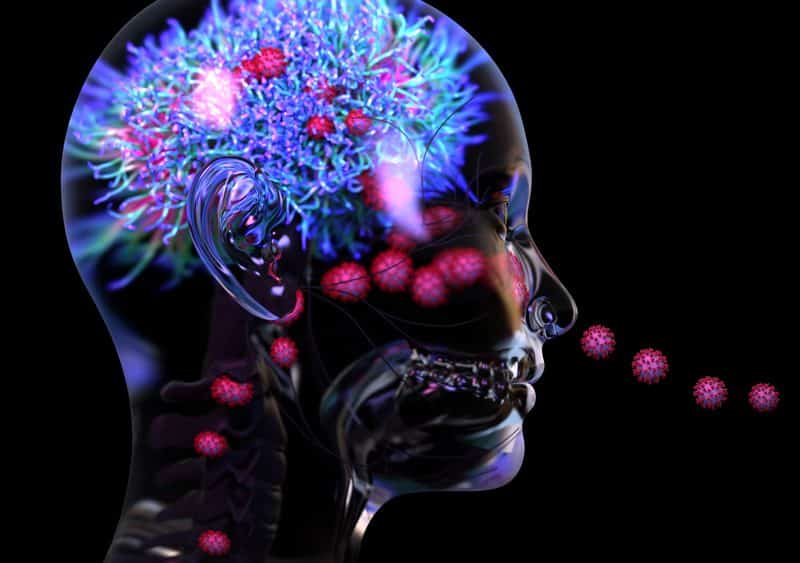
A new study suggests that the impact of Covid on the brain may extend beyond our sense of smell. And we examine two studies that examine the impact of race on mental health and services.

Scientists discover the long-sought neural messenger for the pleasurable sensations from cuddles and caresses. Provocative research shows that women are four times more likely to die by suicide if there are firearms in the home. And new research on eating disorders among LGBT adults.
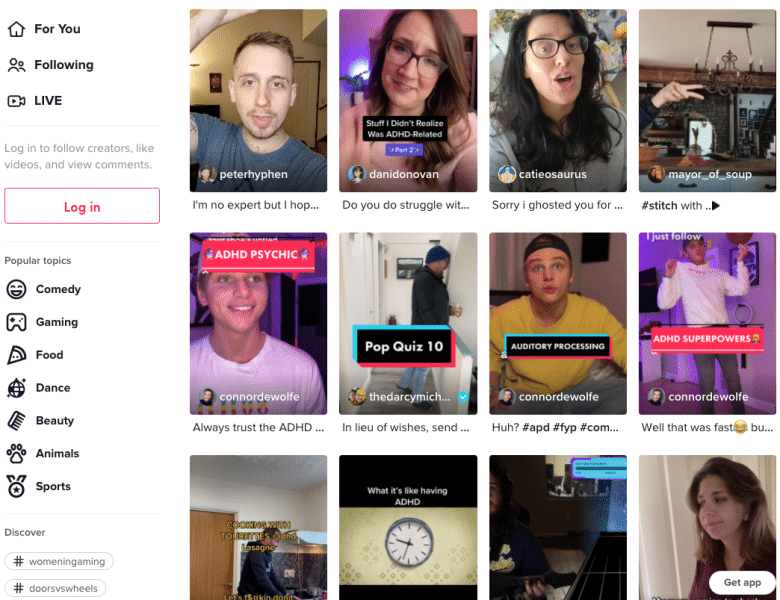
A new paper investigates the accuracy and uptake of TikTok videos about ADHD. Spoiler alert: accuracy is low, uptake is, well, viral. We also look at AI-based linguistic tools to measure thought disorder and – who knew? – the relationship of birth spacing to oppositional defiant disorder (ODD).
A new look at the extent of mental illness and use of mental health services in children. LGBTQ adults have high rates of adverse childhood experiences. News findings from studies of early psychosis are cautionary in some cases and encouraging in others.
New research demonstrates how high temperatures can negatively impact mental health and increase emergency room visits.
Covid-19's long-term mental health effects, a surprising finding about suicide prevention and the impact of Housing First.
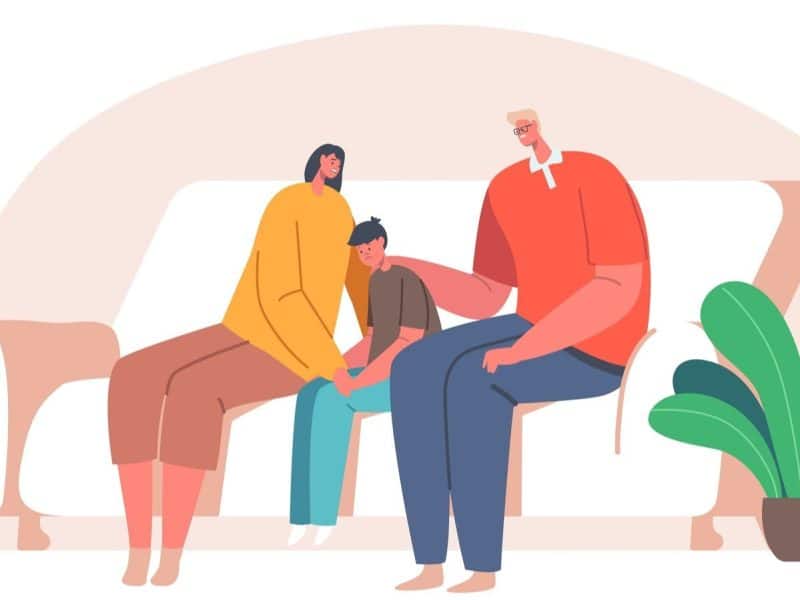
Today, we look at the impact of support: the value of family support for people with schizophrenia and the distressing impact of a lack of support in a growing number of white Americans. Plus opiates in teens, and how walking may correlate with cognition.

Who wants psilocybin without hallucinations? Laboratory research suggests that may be on its way. Plus: New research on driving under the influence (of weed).

Money beats psychotherapy. Prevention as intervention takes a setback. Pregnant women in jail aren't often getting treatment for their opioid disorders. And more.
The big breakthrough in the world of brain disorders was a report in the journal Science about multiple sclerosis.

Our dilemma of the week: what’s the best option for discharging homeless patients from psychiatric hospitals?

New research has found that only a small fraction of the findings in cancer biology could be reproduced. Will studies in mental health research fare better? Other research finds – no surprise – that the mental health of renters takes a beating in states with lax COVID eviction protections.

Long-term study of child health and brain development shows big benefits to the brain from learning a second language.
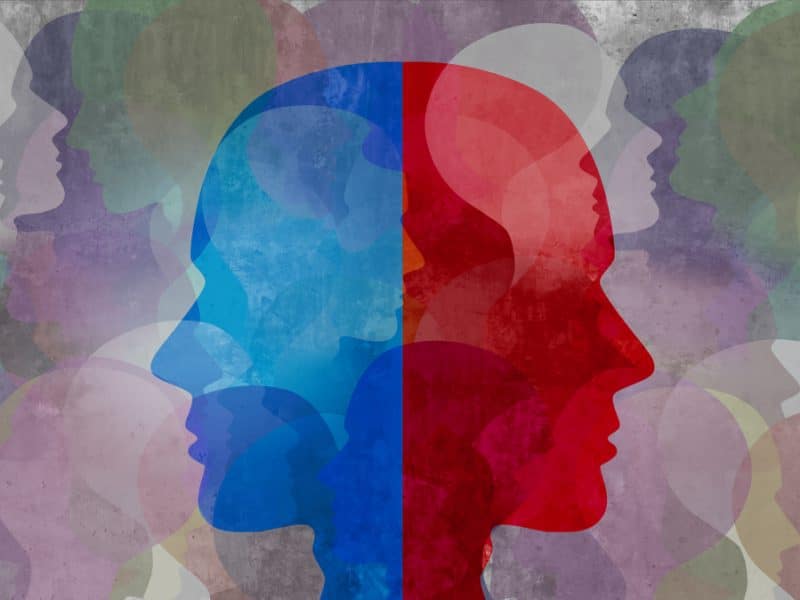
A fascinating study takes the study of exercise and brain function to a new level – at least in mice.
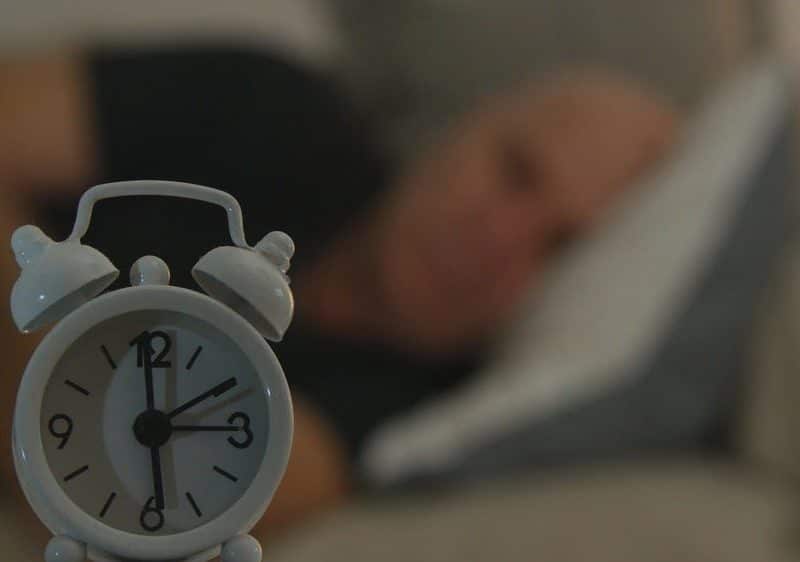
The relationship between depression and insomnia in older adults, and the potential benefits of cortisol in exposure therapy for PTSD.
Digital innovations for people with serious mental illness and increased hospitalizations for eating disorders during the pandemic.
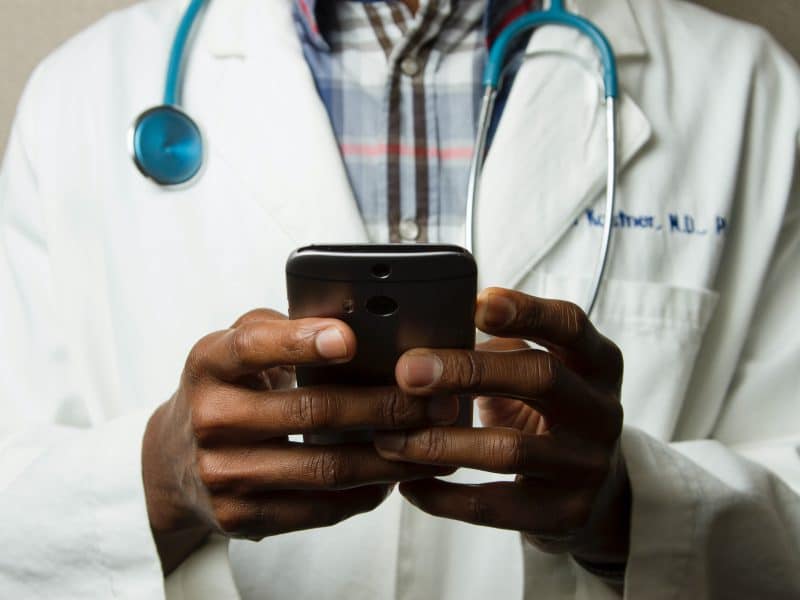
The efficacy of remote mental health care appears to rank as one of the upsides to the forced social distance of the past 18 months, with higher rates of access, fewer canceled appointments, and equivalent outcomes.
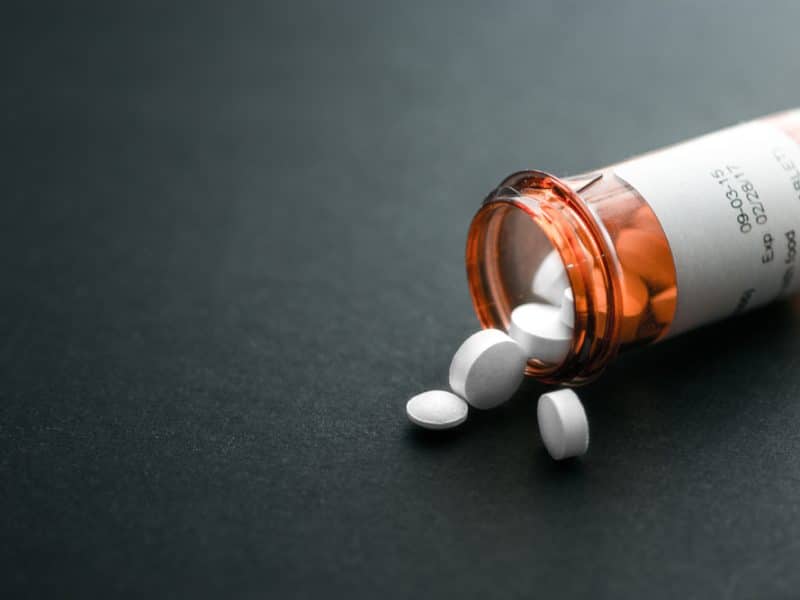
The antidepressant fluvoxamine (Luvox) appears to be effective for Covid-19, reminding us that the term "antidepressant" may not fully describe this medication.

As states grapple with the national mandate to create a national mental health emergency hotline, the call for response teams and collaboration across systems increases.

Examining COVID-19's risk factors for mental health consequences, and the danger of police injury to people with serious mental health illness.
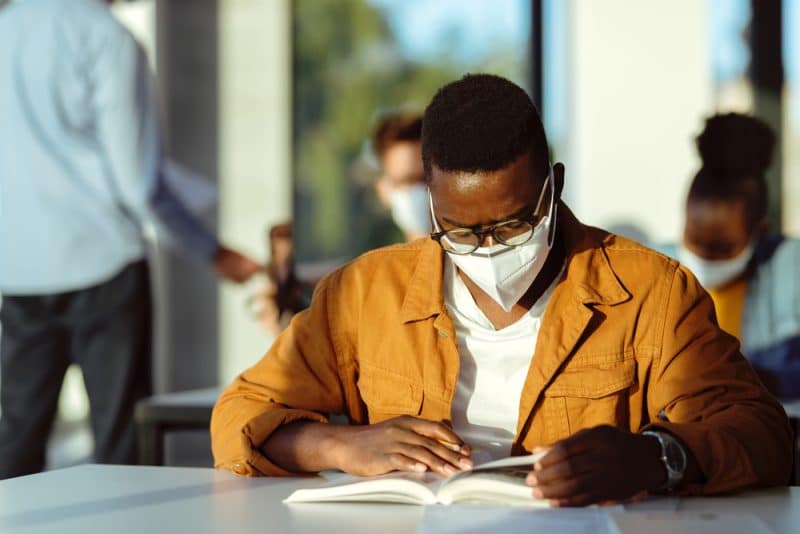
Community college students are suffering greater negative impacts from COVID-19, and technology's impact on mental health treatment.