Hotlines Offer Stressed Doctors Anonymous Mental Health Help
Two physicians-only mental health lines are helping stressed-out doctors. New Army program aims to improve mental and physical health.
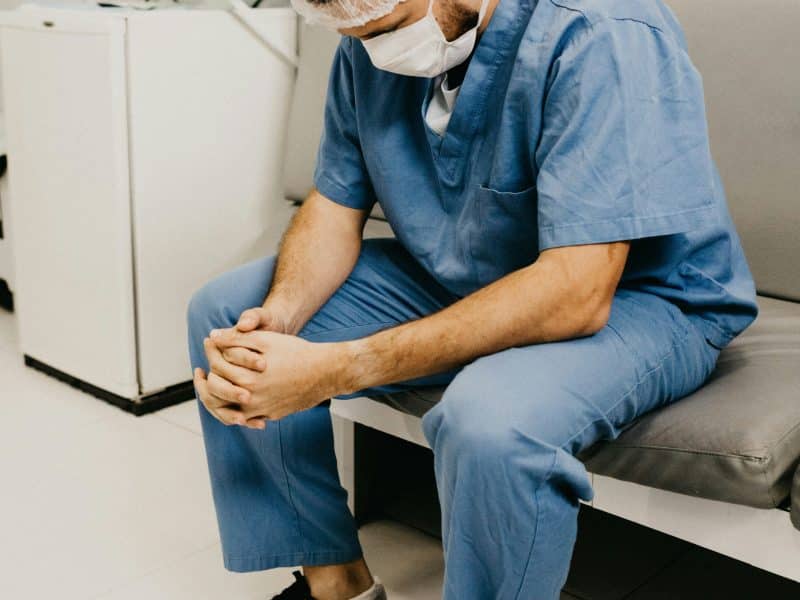
Two physicians-only mental health lines are helping stressed-out doctors. New Army program aims to improve mental and physical health.
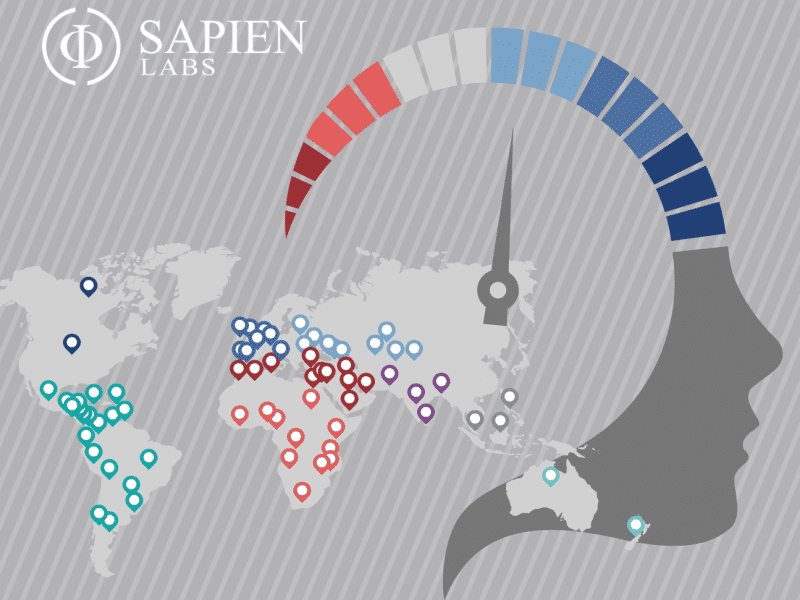
A survey of global mental health finds that people everywhere are still stuck at pandemic-level lows – and young people are faring worst. And a look at the “psychological torment” that would accompany any mission to Mars.

Proposition 1, a March ballot measure in California, promises to build 4,350 supportive housing units for homeless people with chronic mental illness. Can it succeed where previous measures fell short?

The author of a survey of crisis hotline counselors talks about his experiences and why he wanted to tap into the wisdom of the people who answer calls to 988.
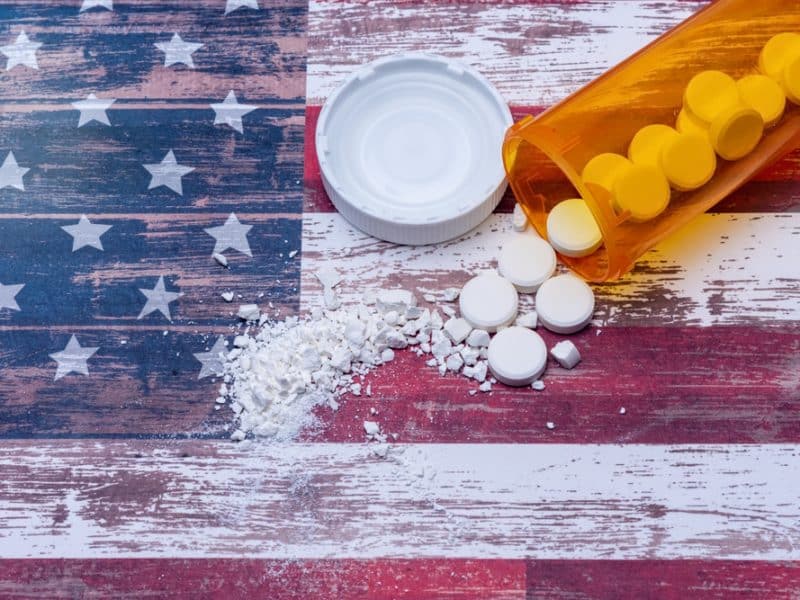
What’s worse than fentanyl? Fentanyl + meth + THC + xylazine. The physician leading the team assisting newly released Israeli hostages talks about their needs.
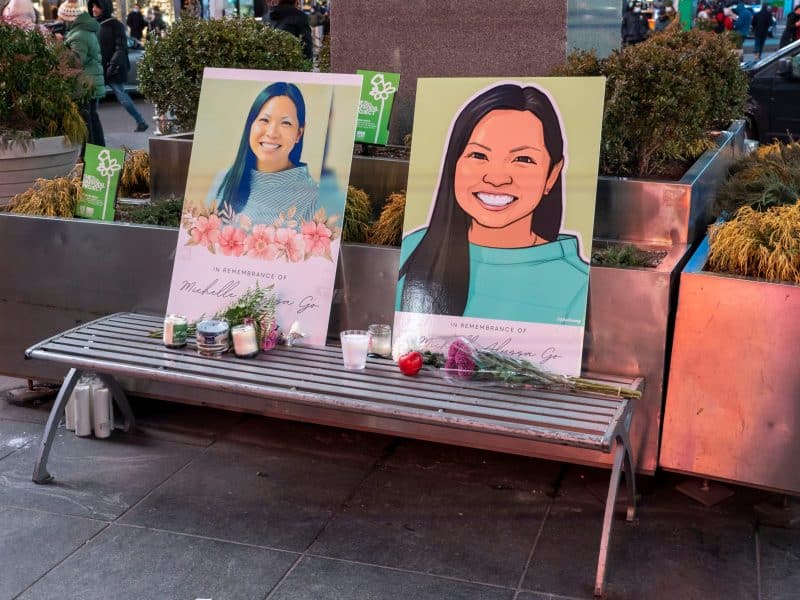
A New York Times investigation uncovered a poorly managed system of care for the city’s most severely mentally ill that put lives at risk.
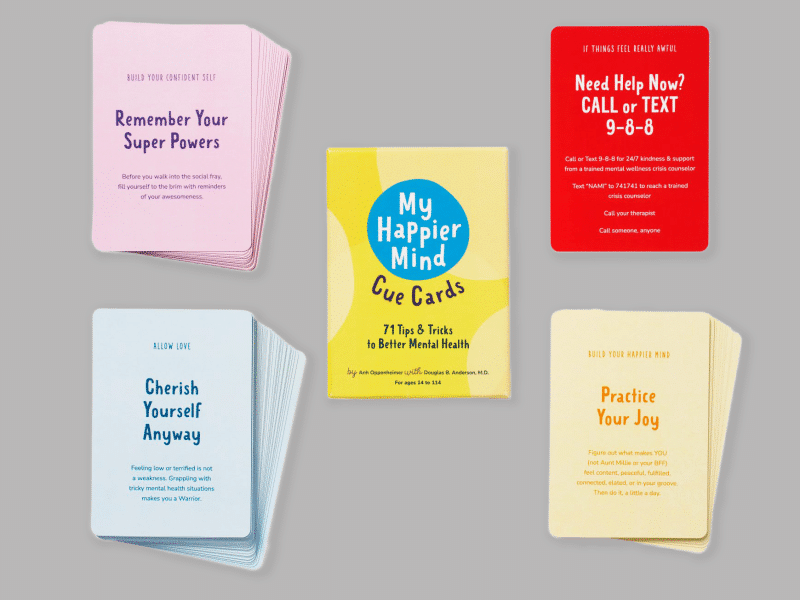
Mental illness is a clever, hard-to-kill beast, and escaping it is akin to defeating a cluster of wild boar. But with proper strategy and weaponry, the invasive species can be taken down. These cue cards may help.
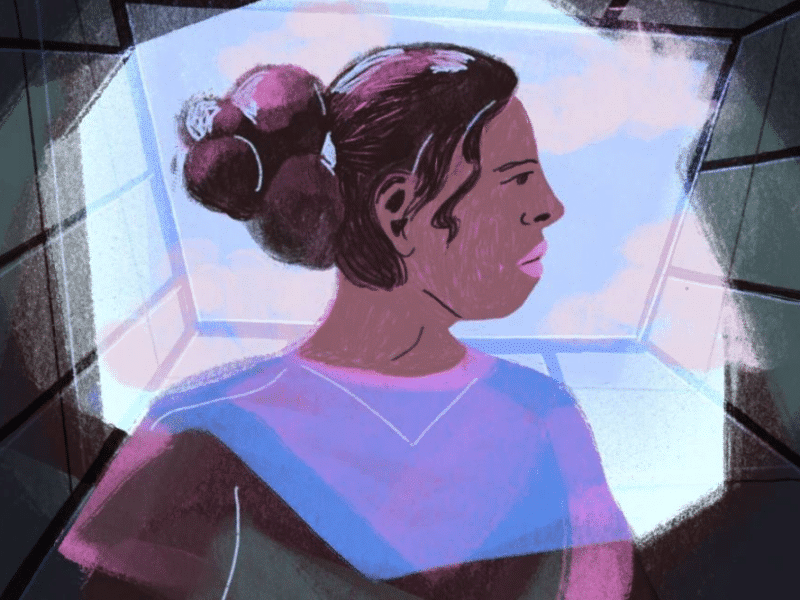
A 2020 California law aimed to make prison safer for transgender people. But for many trans women, abuse and harassment inside has continued to harm their mental health.
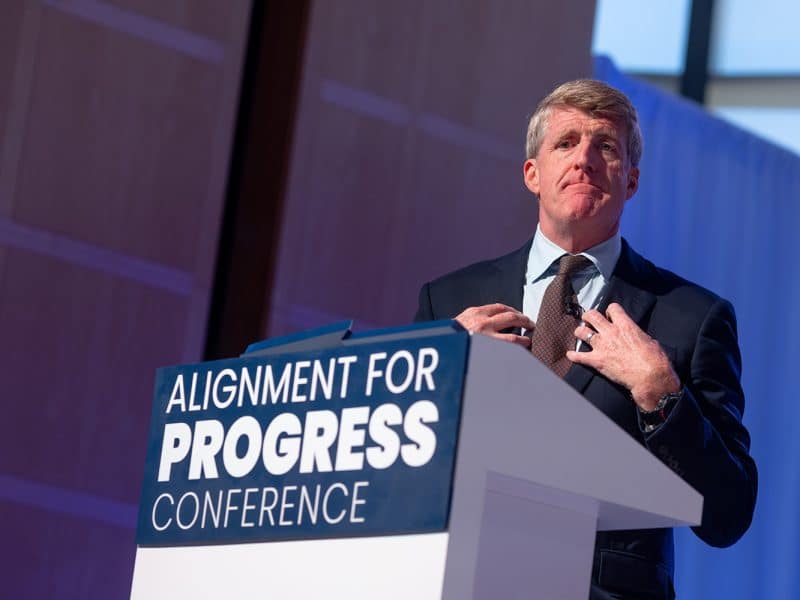
Sixty years after John F. Kennedy signed a sweeping mental health act into law, his nephew, former Congressman Patrick J. Kennedy, gathered advocates in Boston. The goal: to kickstart a movement to transform the fractured mental health system in the U.S. A report and interview from the conference.
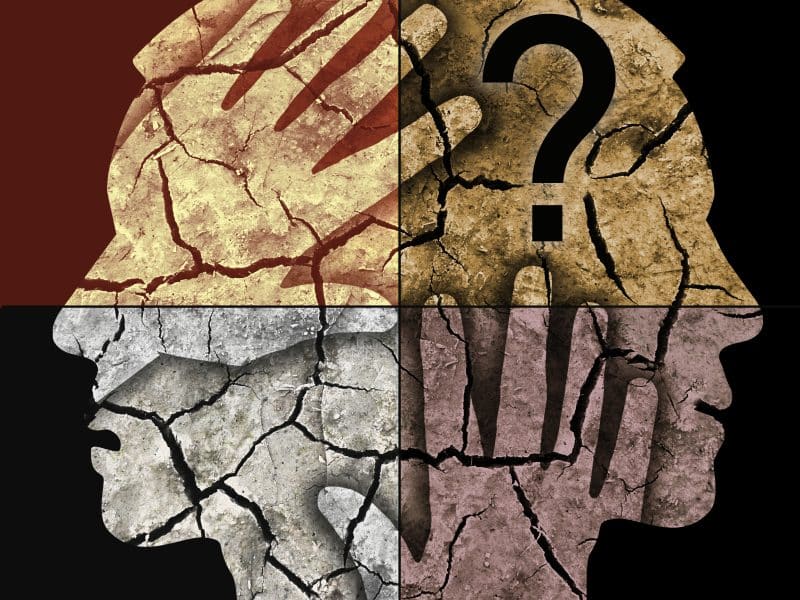
Schizophrenia is a lot more prevalent than we thought. MDMA moves closer to approval to treat PTSD. A look at the impact of childhood poverty in rural Northern California, quite different from the city.
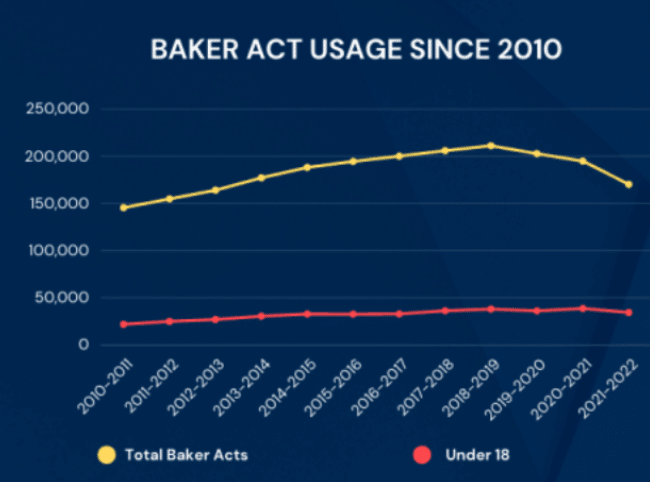
A MindSite News investigation digs into Florida's practice of taking kids to mental hospitals against their will. A photo essay looks at efforts to help Ukrainian soldiers' mental anguish. Regulators halt psychiatric trials at New York State Psychiatric Institute following a patient suicide.
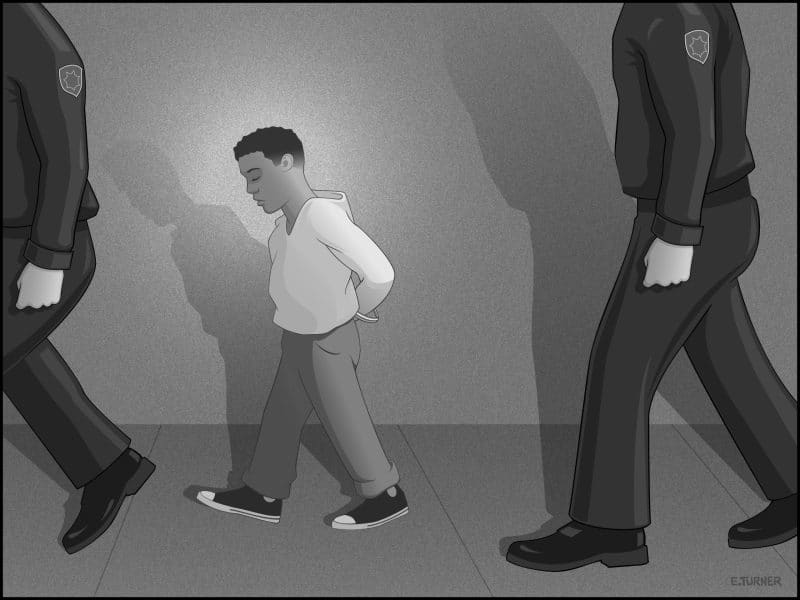
In Florida, seizing children and adults and placing them on involuntary mental health holds happens so frequently, it has become a verb: Baker Acted – a reference to a 1971 law. That law was intended to reduce the horrors of asylum care while allowing mentally ill patients to be forcibly evaluated and treated. Instead, it has become a dragnet of sorts that brings hundreds of thousands of adults and children to mental health facilities.
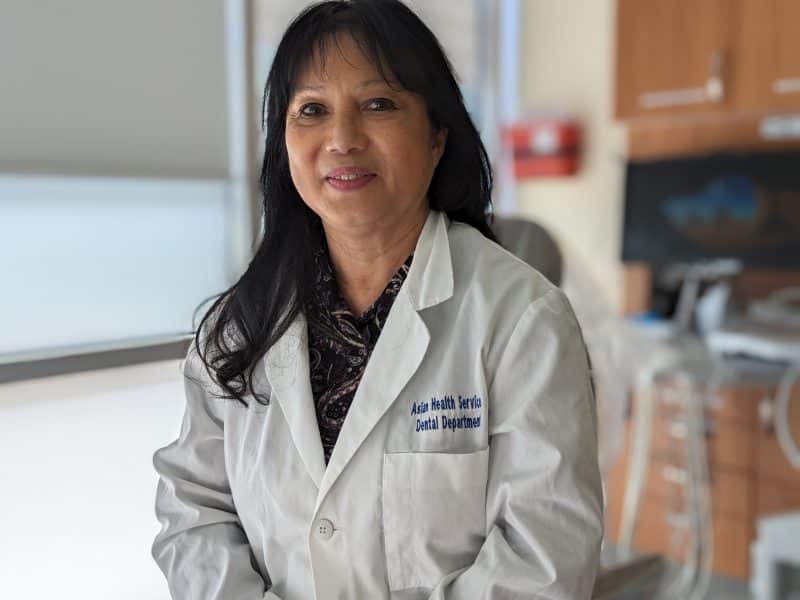
"Open up" may take on a whole new meaning at some dentist offices. Breathing smoke from wildfires may increase people's risk of dementia. Why so many Americans are seeking ADHD medication. And more.
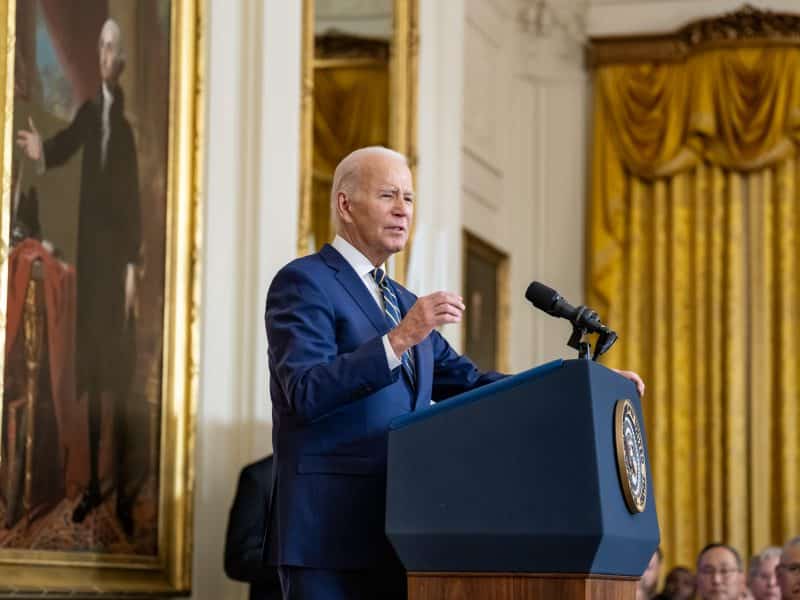
In today’s Daily: The Biden Administration announces plans to force health insurers to provide coverage for mental health conditions on par with physical health treatments. Chicago Mayor Brandon Johnson takes steps to reopen shuttered mental health clinics.
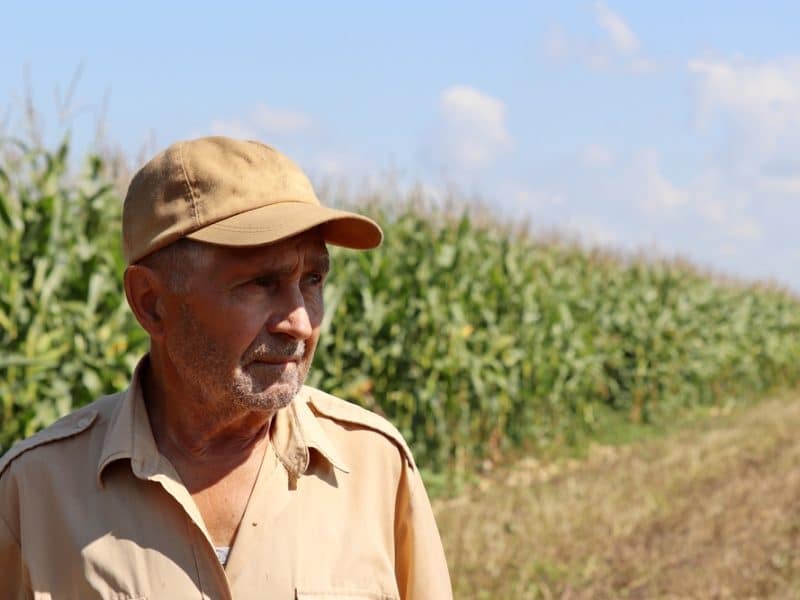
The program wants to support farmers, but stigma prevents many from reaching out. Plus: quick and simple meditation, a podcast on "discomfort foods" and mental health, and an update on 988.

A psychiatrist celebrates the therapeutic power of Taylor Swift. Psychedelics head for the mainstream. And a new report underscores the link between long Covid and mental illness.
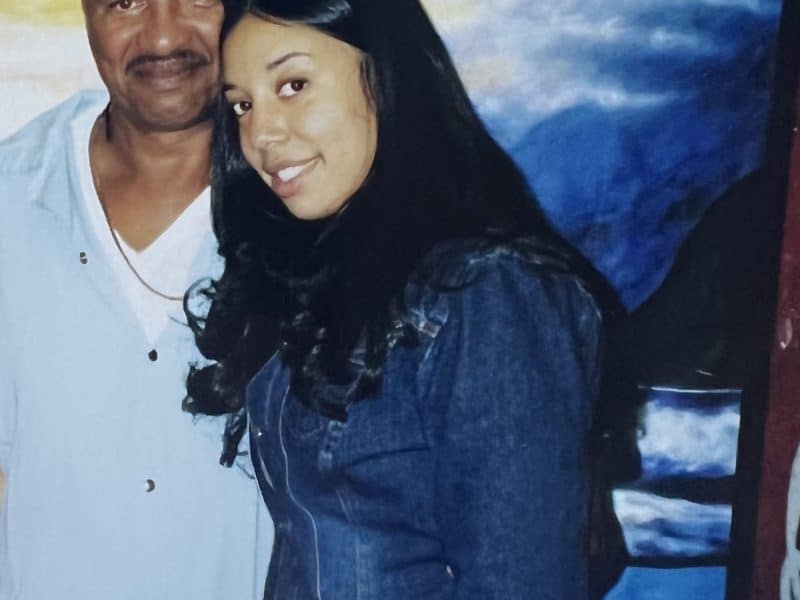
Emani Davis spent her teens and early 20s advocating for children of imprisoned parents. At 14, she was speaking around the country. By 26, she was physically exhausted and emotionally depleted by reliving the most traumatic events of her life over and over again.

There's joy being back in the classroom, but anxiety levels are high. A MindSite News original about a young activist urging self-care. A catchy self-affirmation for little ones by rapper Snoop Dogg. And more.
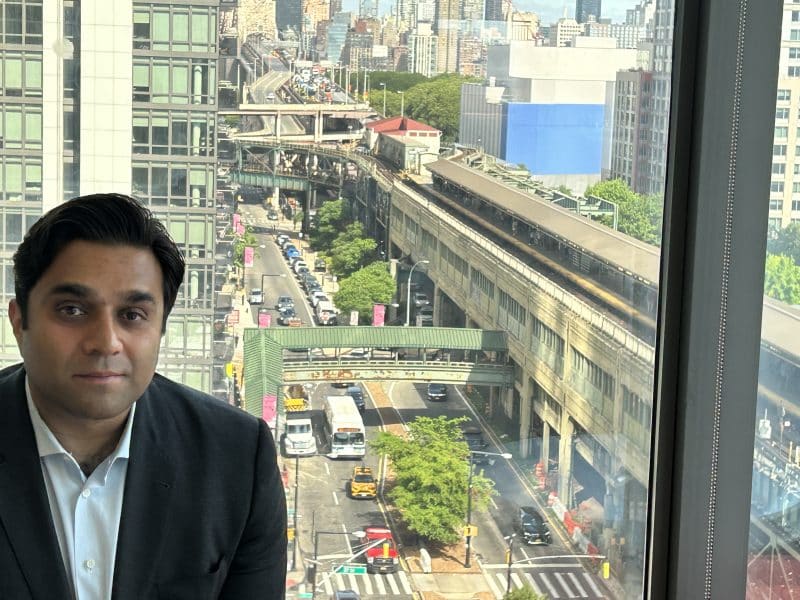
MindSite News sits down with with New York City Health Commissioner Ashwin Vasan. Black mental health experts have some advice about how to heal racial trauma.
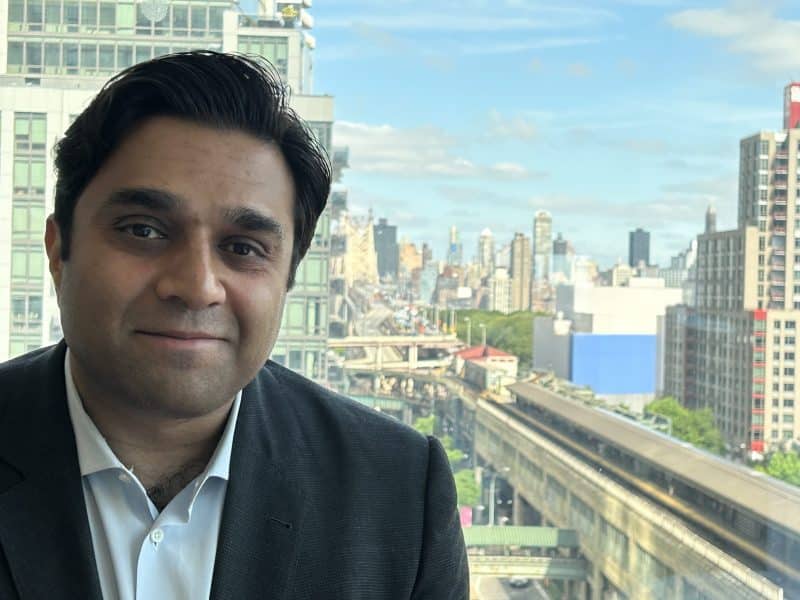
"We're in the midst of the largest drop of life expectancy that we've faced as a city and country in a century. COVID, obviously, is one explanation. But there are many other reasons – overdoses, rising rates of chronic illness, premature deaths from birth inequities, increased rates of violence, suicide. All these link to mental health, either directly, like overdoses, or indirectly. We need to start looking at mental health as a cross-cutting issue that often manifests in conditions or causes of death we would otherwise not refer to as mental health. We have to see it almost in the groundwater."
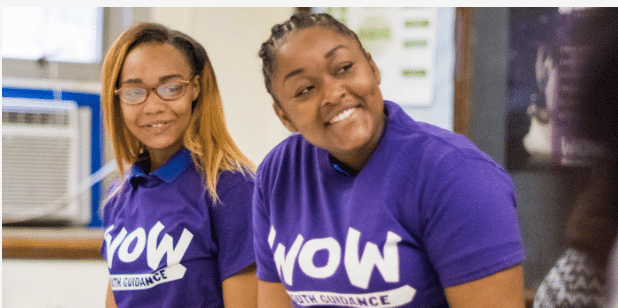
A school-based program for teen girls successfully reduced trauma-related distress. The class of drugs that includes Ozempic offers tantalizing, if unproven, possibilities for a different kind of opioid addiction treatment.

A look at how racism affects the mental health of Black youth, sometimes at an early age. Scientists challenge the “toxic culture” and mental health crisis in academic science.
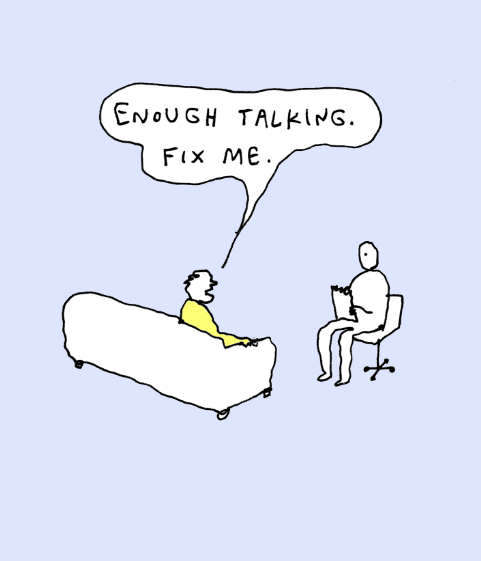
A deep look at therapy. The mental health crisis for North Carolina kids. And drug overdose deaths were virtually unchanged last year – again claiming more than 100,000 lives.
MindSite News took home a Lisagor Award in Chicago. And we co-published two new stories with USA Today. Please consider becoming a supporter of MindSite News so we can continue our work shining a light on mental health.
New research suggests that gender inequality harms women’s brains. Post-traumatic growth may be overhyped. And the limits of talk therapy are up for debate.
